When I was filling out an online form today, I became unsettled by the choices presented in the “Age Group” selection: 18-24, 25-35, 35-54, 55+. It suddenly hit me that in just a few weeks, I will be entering the 35-54 range. This realization brought about a wave of emotions, including a sense of urgency to reflect on all the life lessons I learned so far and a desire to understand how to thrive in the years ahead.

I spend 3 hours at the gym every day, go on mountaineering and snowboarding trips every three months, work as a founding engineer at a Series A startup, and still have time for side projects like this blog post.
Someone recently asked me what’s my secret for getting all this done. How do I have time to do all these things?
In this blog post, I’ll share my secrets on how to be hyper-productive using some theories from business books I read and insights from science (e.g. three laws of thermodynamics), with examples from my experience climbing, training at the gym, and working as a software engineer.
I joined the US Navy after graduating from college. The service commitment is 5 years. At the end of my service commitment during my terminal leave, I obtained a position with a mature startup in NYC as a Senior Software Engineer. There were a lot of bumps in the road during the last five years, especially the last 3 weeks of my transition out of the Navy. I will share the story of how I prepared for my career transition and shed some light on how job search works today.
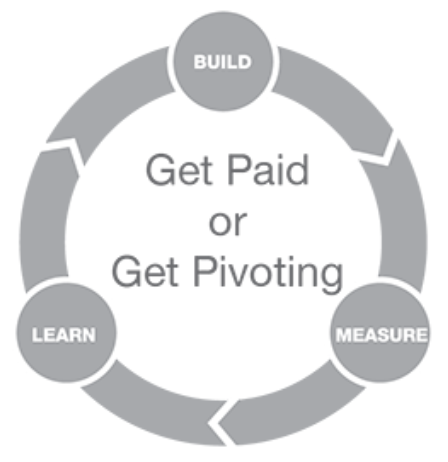
This documents the market research I’ve completed for my startup, LooseLeaf. This is a long and exhaustive market research. There’s a TL;DR version of the value proposition.
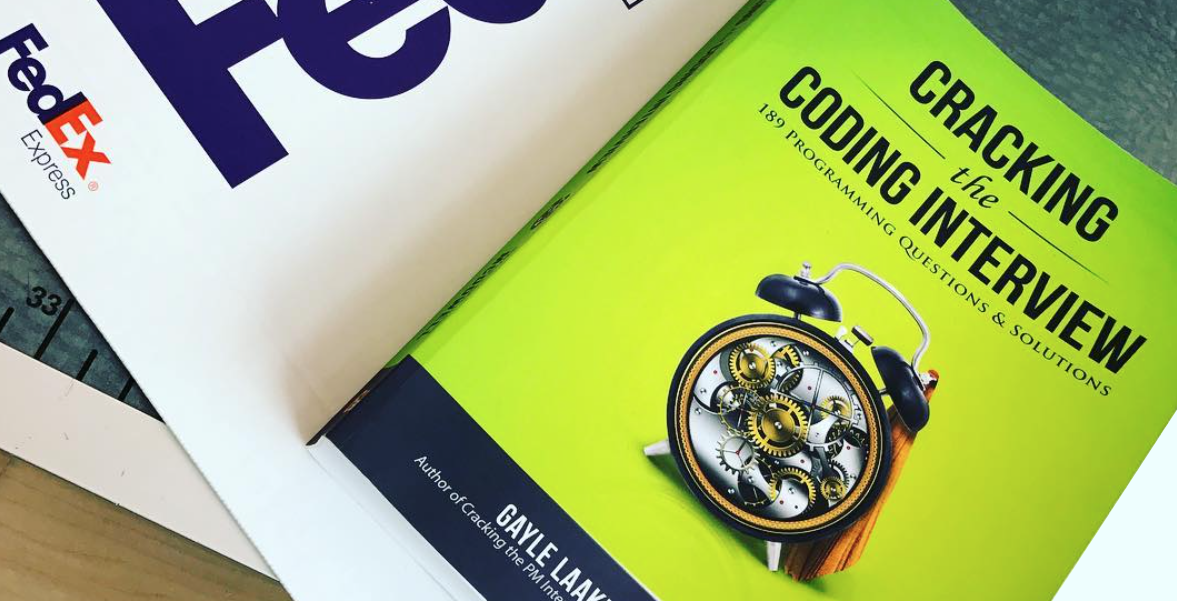
We are going to go over a set of coding and whiteboard problems that would be asked during a coding interview. I’m drawing these problems from LeetCode and Cracking the Coding Interview. They are a sample of the medium and hard problems that require a bit of thinking and and familiarity with some fundamental data structures in computer science.
Being great at coding interviews doesn’t necessarily make you a great developer and being a great developer doesn’t necessarily make you great at interviews. However, you need to pass the interview to get the job. Most tech companies, public or startups, have started drawing from the same pool of interview material, adopted the same set of coding challenges and problems for candidates to solve. Coding interviews can be challenging and stressful, but with enough practice, research, and preparation, it can be very manageable.
Nothing strikes more anxiety and self-doubt than the dreaded job interview. The thought of participating in an activity designed for the sole purpose of evaluating your worth and the potential for rejection is enough to discourage many people from applying to jobs for which they lack all of the qualifications requested by the job posting. While qualification is important to accomplish the advertised job, it is not everything an employer looks for in a person they want to hire to be a part of the team, to grow with the company and help the company grow. The goal of this article is to provide a guide based on my personal experience for how to prepare for getting offers from jobs for which you don’t have all the qualifications.